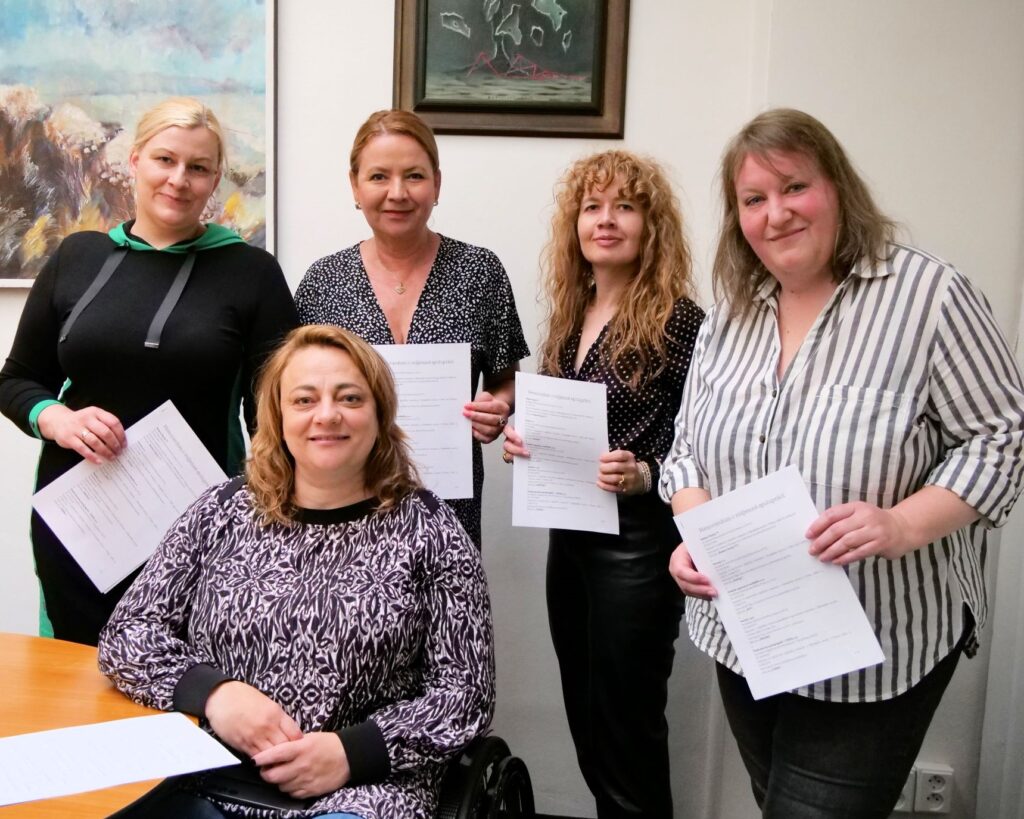
Síť bez bariér aims to make places, experiences, education and other parts of everyday life accessible not only to people with disabilities but also to older people and families with young children. The five organisations set this out in a memorandum of cooperation, signed on 20 June 2024 in Prague. They will focus on awareness-raising, mapping the accessibility of buildings and routes including a shared data store, proper implementation of accessibility measures and compliance with the law, and international cooperation. A quality mark for accessible places may also be created.
“I believe that state and regional organisations, universities and other actors will gradually join our principles. Simple measures can make their services more accessible, not only for people with disabilities. I am very glad that five respected organisations that help people with disabilities return to everyday life have found common ground,” says Jolana Voldánová, director of Nadace Charty 77 | Konto Bariéry.
“Sometimes very little is needed: showing and explaining how to do something better. A person without a disability often does not notice a detail in a building that makes a journey or an experience harder. A hint, or an example of a building and funding solution, is often enough for towns and municipalities to open up another place that can give many people joy, because people with disabilities make up 10 percent of the population of the Czech Republic,” says Aleš Černohous, peer mentor at Česká asociace paraplegiků – CZEPA and chair of Disway.
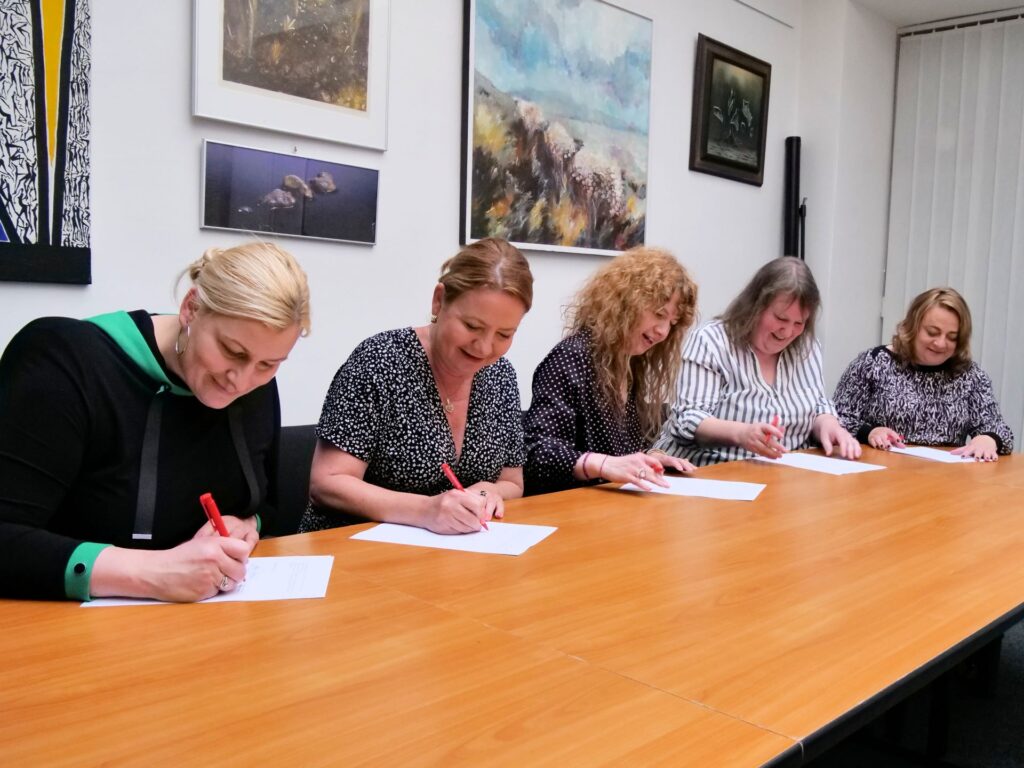
Jaroslava Franková, chair of Pražská organizace vozíčkářů, sees the memorandum as a platform for cooperation on mapping and removing architectural barriers. “It creates space to join forces and make public space accessible. We welcome its stand for high-quality, systematic collection of accessibility data. That information serves not only people with disabilities but also older people, parents of young children and people with a temporary mobility impairment. Professionally gathered data also leads to proposals for adaptations towards our main goal: public space without barriers,” says Jaroslava Franková.
“We are glad we were there at the birth of this idea. We believe cooperation based on shared principles and the will to change things for the better will succeed on the complex topic of accessibility, and not only for people with disabilities,” says Jana Sirotková, director of Pestrá.